Travel & Holidays
Transport and sustainable tourism — making choices that matter
Transport
Although these two are often a combined issue, we’ll deal with them separately, starting with the travel aspect. Most of us know that transport generally makes quite a large contribution to climate change. Although the footprint is considerably less than that of animal agriculture, it is still significant – and increasing. Some of this is business/work related and quite a lot is leisure travel. Let’s look at journeys to work…
Many of us commute using a car and when we do, we’re usually the sole occupant. It will usually (appear to) be more convenient, since we can just step from the front door into our metal cocoon and sit comfortably, nice and warm (or cool) with our choice of entertainment. No doubt it also appears to be cheaper than the equivalent journey by bus, tram or train. However, we rarely consider the costs of insurance (more miles, bigger premium), wear and tear, servicing, MOT, and road tax. Taking all these factors into account, (based on 7,500 miles/year) the realistic cost of the average car journey is closer to £0.70 per mile. So, if you pay a visit to somewhere 50 miles away for example, that’s cost you £70 for the round trip. The one thing that we have not included here of course, is the ‘invisible’ environmental cost – the CO2, NOx and particulates from exhaust, tyre and brake wear.
How does the alternative compare? Whilst the cost of a train journey for example, may seem expensive, there are numerous ways to bring the price down. In the UK, if the trip is regular, season tickets may be a good option, whilst for one-off trips, booking early (if possible) and using fare splitting websites/apps can often cut the cost dramatically. There are loads of railcards available too, like Family and Friends, which give you 1/3 off the fare and allows up to four adults and four children to travel together.
Perhaps your image of public transport is one of grubby vehicles, jam-packed with people. In truth, the majority of trains are pretty new, smart, clean and comfortable. Most now have mains and/or USB sockets and free WiFi. It is a similar story with buses and coaches. It may be that travelling by public transport requires a bit of walking or may take a little longer, but the advantages are, no driver stress or road rage, etc., and maybe even a little bit of exercise!
“Taking all these factors into account, the realistic cost of the average car journey is closer to £0.70 per mile.”
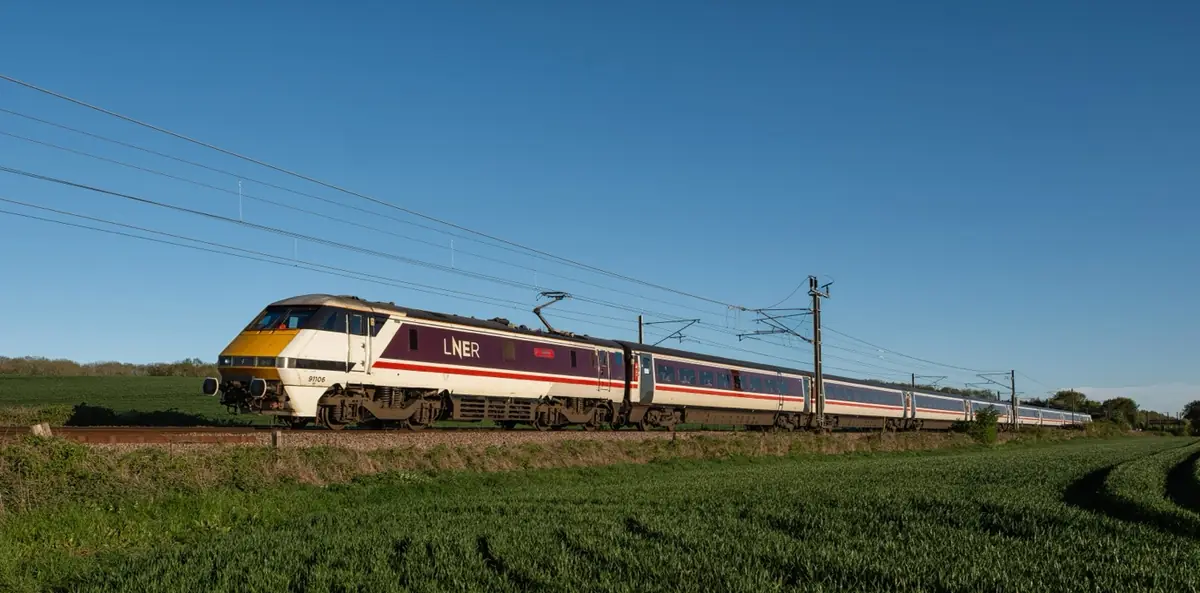
Particularly on longer distance trains, you’ll be able to get drinks and snacks and have time to sleep, read, stream a film or play games if you’re in a group. If we really are serious about reducing our carbon footprint and increasing air quality (especially for our children), then this is surely worth it.
During lockdown, we became very aware of how many little extra trips we had previously made to get ‘a couple of bits’ from the shops – a bottle of something here, a loaf of bread there and just an odd item we’d run out of at the time. This is something we now try to avoid and instead wait until we’re heading out on another journey.
What about longer trips, when we frequently default to air travel, even for shorter journey times? In reality, when travelling between many UK cities and even to some Northern European destinations (eg. Paris, Brussels, Amsterdam, etc.), we forget about the extra time that air travel entails. Have you driven to the airport and parked (£££!)? Did you arrive in plenty of time to get through security,
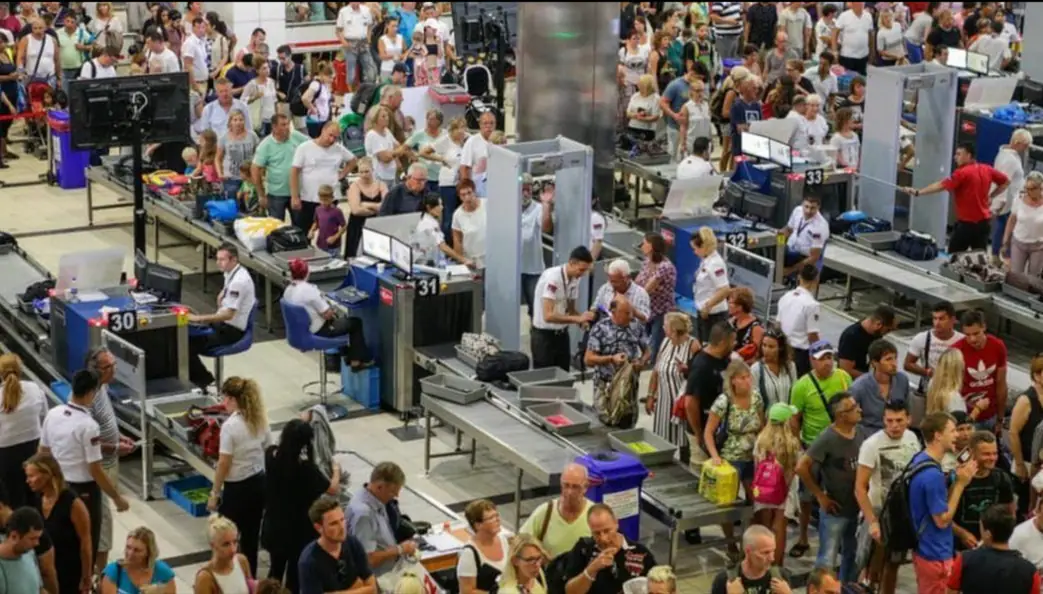
maybe check a bag in and finally walk to the gate? By the time you factor in all this extra time, it’s often just as quick to hop on a train – be it within the UK or maybe on Eurostar.
Sustainable Tourism
Moving on to tourism, the majority of us like to go abroad for at least one holiday per year, mostly for the same reasons: a) pretty much guaranteed sunshine (just like the UK..!) and b) the packages tend to be cheaper, with lots of all-inclusive offers, swimming pools and warm seas.

Whilst it’s not difficult to see why foreign trips win, many (perhaps even most) of us would love these escapes to be ‘greener’ and more environmentally friendly – so it’s music to our ears when companies tell us that they’re offering more ‘sustainable’ tourism.
This is a term which several of the larger holiday companies, such as Tui, Jet 2 and EasyJet, like to bandy about their ‘sustainability’; whilst they speak convincingly of fuel saving and being eco-friendly, it’s mostly just a lot of ‘greenwash’. Before you ask, yes, we do still fly, but we limit this to one short-haul trip abroad per year – generally within Europe and preferably under 4hrs flight time. If you want to find out how we usually travel and holiday, go to the ‘What We Do’ section. Anyway, why do we assert that company claims are mainly hogwash?
Starting with airlines and fuel, there are some inherent problems with claiming to be in any real sense of the word, ‘green’. Although aeroplanes are becoming more fuel efficient, they still consume kerosene by the ton – no, not kilos, not tens of kilos, not even hundreds of kilos, but by the thousands of kilos. Even on a little trip to Majorca from London, a B737 or A320 will burn about 5 tons of fuel, which pushes out around 16 tons of CO2 into the atmosphere – and that’s just one way!
“Sustainable Tourism sold to us by the big holiday companies…it’s nonsense – just a whole lot of ‘greenwash!’
When it comes to hotels, they come in al shapes and sizes, some with a better ethos than others. These days most of them pop little notices up, encouraging us to use our towels more than once and use less water, which is a good start. So, to be a bit more proactive, what could we think about before choosing a hotel?
- Where do they get all that electricity to power the hundreds of lights?
- What kind of food do they serve and where does it all that come from?
- What is their recycling policy and does it actually work?
Wherever you fancy going, why not do a little research and select accommodation which minimises all these potential environmental issues? Here are a few ideas;
- Avoid all-inclusive wherever possible – these are the largest producers of food waste.
- If you’re at the hotel buffet, only take what you can easily manage. Give yourself at least 15mins before going back for more, since this give your stomach enough time to tell the brain how full it actually is!
- Try to eat outside of the hotels – this boosts the local economy.
- Be kind and use as little power as possible.
- Aoid getting your room serviced every day – this saves lots of water and power which would otherwise be consumed by the laundering your towels and sometimes the bedding too.
Some hotel companies are starting to make progess in terms of renewable energy use and recycling, etc., which is good news. Generally, though, the places to stay with the best ‘eco-credentials’ are the smaller, individual ones.
If you want to avoid flying one option is a ‘staycation’, and after all, there are lots of beautiful and interesting things to see right here in the UK; living as we do on a relatively small island as we do, most places aren’t that far away. The national parks, adventure parks, the coast, the countryside – all of these are often far closer than you think and can produce just as many happy memories as a trip abroad. Maybe that’s something to consider before booking your next holiday? There’s a host of websites which review and list greener accommodation, so these may be a good place to start. Here are some we’ve found: